Botox sits at the intersection of medicine and aesthetics, which is one reason its timeline can feel confusing. You hear stories of instant smoothing and others about nothing happening for a week, then a sudden shift overnight. Both can be true, depending on anatomy, dose, technique, and the area treated. After years of watching patients track their botox results in the mirror, I’ve learned that setting expectations by the day makes the whole experience calmer and the outcome better. Here is how a typical botox treatment unfolds, what “normal” looks like at each stage, and how to steer the process toward natural, balanced results.
What botox actually does, in plain language
Botulinum toxin type A, the active ingredient in Botox Cosmetic, temporarily reduces communication between nerves and the muscles they signal. It doesn’t fill or plump. It simply quiets the repeated muscle contractions that fold skin into lines. When the muscle relaxes, the overlying skin creases less, which softens dynamic wrinkles such as forehead lines, frown lines between the brows, and crow’s feet. Static lines etched in over decades can also improve as the skin gets a break and collagen remodeling catches up, but that part is gradual and partial.
While the drug acts at the nerve synapse within hours, you don’t see a difference immediately. You see results when muscle activity meaningfully drops. That lag creates the “it’s not working” anxiety, followed by the “wow, it kicked in” moment around the end of week one. Understanding that sequence makes a big difference in your satisfaction.
Setting yourself up before day one
A good botox consultation does more than count lines. Your injector should ask how you animate: do you speak with your brows, do your eyes crinkle when you smile, do you raise your forehead to focus? These habits matter more than age alone. A personalized botox plan accounts for asymmetries, brow shape, eyelid heaviness, and lifestyle factors like intense workouts. For patients who fear a frozen look, I often recommend baby botox, a lighter dose that preserves some movement. For those with deep frown lines or strong corrugator muscles, a standard dose or even a touch higher across the glabella keeps the result natural while preventing the “angry 11s” from reprinting.
Units vary by area and by face. Common reference ranges: 8 to 20 units per crow’s feet side when using traditional patterns, 10 to 25 units for forehead lines depending on width and strength, and 15 to 25 units for frown lines in the glabella complex. “How many units of botox for forehead” or for “how many units of botox for frown lines” only means something when you factor in muscle bulk and desired motion. If you and your injector are aligned on goals, the exact number becomes a tool, not a headline.
If you’re prone to bruising, pause blood thinners that are safe to pause, like fish oil or high-dose vitamin E, for a few days beforehand if your primary care physician agrees. Avoiding alcohol the day prior helps, too. For the anxious or first time botox patient, a topical numbing cream or ice takes the edge off. Most injections feel like brief pinpricks and are over in minutes.
The procedure day: what the appointment looks like
After photos are useful for botox before and after comparisons, especially for subtle results. Your injector might mark the injection sites as you animate. Depth matters. Crow’s feet live very superficially, while glabellar injections target deeper muscle bellies. For the forehead, technique is conservative near the brows to avoid heaviness. Advanced botox techniques intentionally stagger depth and placement to lift the tail of the brow or keep central forehead lines softened without flattening expression. A micro botox or skin botox approach involves very superficial microdroplets across larger areas to improve fine lines and even reduce oil and the appearance of pores, though expectations should be modest and the effect is most noticeable under bright light or makeup.
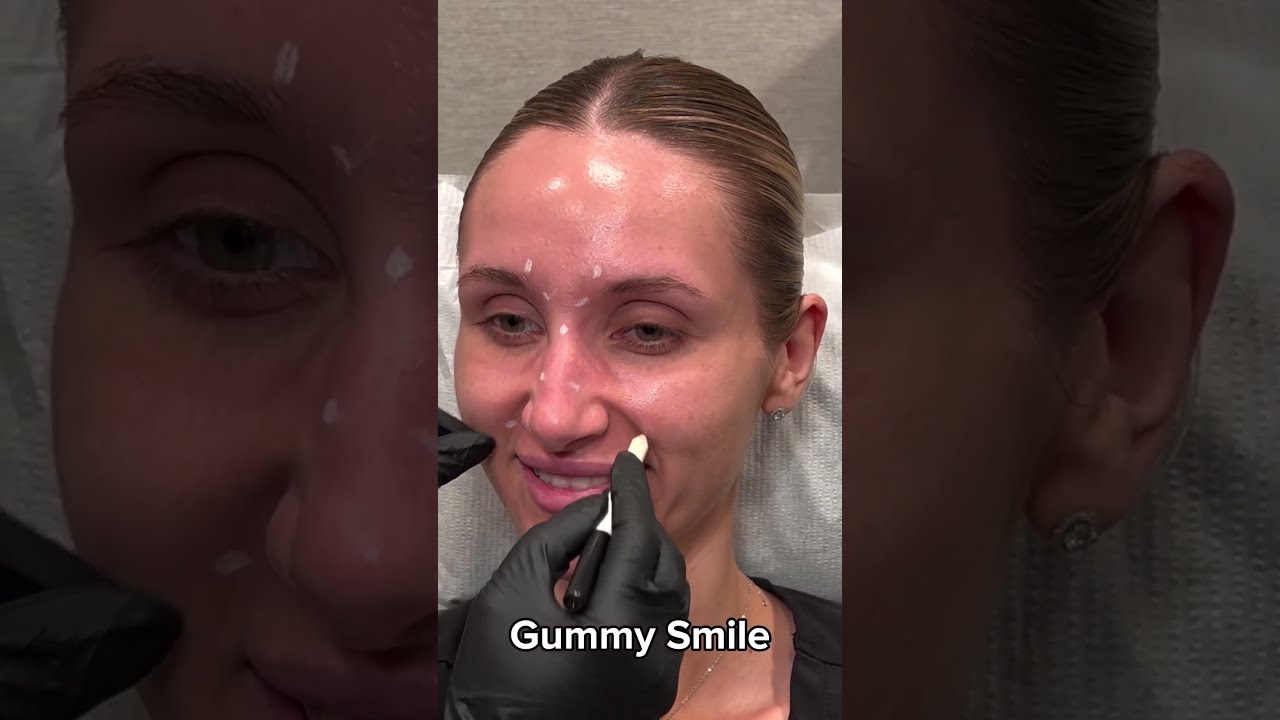
The procedure usually lasts 10 to 20 minutes. You can get same day botox over lunch and go back to work. The needle marks look like tiny bug bites for 10 to 20 minutes. If you’re doing a lip flip botox or gummy smile botox, those injections are quick, with a temporary tingle. Neck botox for platysmal bands or masseter botox for jawline slimming take slightly longer, as planning and dosing vary more across patients.
The day-by-day timeline patients actually experience
Day 0, hours after your botox appointment: No change in movement yet. Mild pinkness or needle bumps fade quickly. If you bruise, it shows up as a small purple dot within a few hours or overnight. Makeup is fine after several hours if the skin looks calm. Skip massaging the area.
Days 1 to 2: Still moving normally, and that’s normal. The drug is binding at the neuromuscular junction, but you don’t feel it yet. Some patients report a “heavy” or slightly tight sensation across the treated area, especially in the forehead. That sensation is more awareness than effect. Do not judge results now. If you overanalyze at this stage, you’ll be convinced nothing is happening.
Days 3 to 4: The very first real signs appear. Frown lines soften when you try to scowl. Crow’s feet crinkle a bit less when you smile hard. The forehead starts to smooth at rest. If you’re someone with strong muscles, you’ll likely notice more change on day 4 than day 3. If you are new to botox, this is the first reassuring milestone.
Days 5 to 7: The change becomes obvious. This is when family or coworkers begin to say you look rested, even if they can’t pinpoint why. Your brow position should feel stable, with a gentle, natural arch if your injector balanced the forehead and glabella well. For a non surgical brow lift botox result, the tail of the brow can sit 1 to 2 millimeters higher, which doesn’t sound like much but reads bright and open in photos. For baby botox, the effect is present but subtler, with some deliberate movement preserved.
Days 8 to 14: Full effect. If a line still etches when you animate maximally, it’s probably a static crease that needs time to fade or more support in a future session. Deep glabellar lines sometimes need two cycles to soften fully. If one eyebrow seems higher or a small “Dr. Spock” peak appears, that often means one lateral forehead segment retained more movement. A small botox touch up at this stage, typically 2 to 4 units placed strategically, evens it out. Most clinics schedule a follow up between 10 and 14 days because it’s the sweet spot to refine without overcorrecting.
Weeks 3 to 4: You settle into your steady state. Makeup sits better, crow’s feet stay quiet, and the forehead reflects light evenly. If you’ve had masseter botox for jaw clenching, this is when you notice less tension and fewer morning headaches. Chewing still feels normal for most, although hard, chewy foods can feel slightly different. For hyperhidrosis botox treatment in the underarms, sweat reduction is obvious by now, often 70 to 90 percent. For botox for migraines, response varies. Some patients see a drop in monthly headache days by week 4, others take two treatment cycles to notice a consistent improvement.
Weeks 6 to 8: Peak smoothness slowly gives way to a tiny uptick in motion. This is usually subtle. If your goal is natural looking botox rather than absolute stillness, this stage is perfect. Lines remain soft, brows animate gently, and selfies look good from any angle.
Months 3 to 4: Botox results begin to decline, starting in the most active areas. Frown lines come back before crow’s feet for some, the reverse for others. Forehead movement usually returns gradually. If your baseline lines were deep, you might still look better than at baseline even at month four because the skin had time to “rest.”
Months 4 to 6: The effect wears off. How long botox lasts depends on dose, metabolic rate, muscle mass, and repeat treatments. Athletes, heavy lifters, and those with faster metabolisms may metabolize botox a bit quicker, around 2.5 to 3.5 months. Patients on their third or fourth cycle often notice results last longer than the first time. If you time your botox maintenance at 3 to 4 months, you typically avoid full return of wrinkles and need fewer units to maintain.
Aftercare that actually makes a difference
Most aftercare advice aims to keep the product where you put it and avoid unnecessary bruising. A few habits matter reliably: avoid rubbing or massaging the treated area the day of treatment, skip strenuous exercise and inverted positions for 6 to 8 hours, keep alcohol to a minimum that evening, and avoid facials, microdermabrasion, or aggressive skin treatments for 24 to 48 hours. You can still wash your face, apply gentle skincare, and go about your day. Sleep however you normally sleep. People worry about sleeping on the face, but that has not shown meaningful impact on results when injections are placed correctly.
If you need a list to reference, keep it short and sensible.
- What not to do after botox, same day: heavy workouts, hot yoga, deep facials, face massages, saunas, or rubbing the injection sites What is fine: light walking, gentle skincare, cool compress if tender, makeup after a few hours once redness settles
Small headaches or a tight feeling can occur in the first day or two. Over the counter pain relief helps. Bruises, if any, fade in several days and are safe to cover with concealer. Call your injector if you notice eyelid heaviness that interferes with vision, asymmetry that worsens past day 10, or unusual pain or rash.
Matching the dose and technique to the area
Forehead lines demand conservative dosing to avoid brow drop. Balance with the glabella so you don’t over-relax the forehead fighting an overactive frown. For frown lines, target the corrugators and procerus deeply at the right angles, and test scowl strength during mapping. For crow’s feet, stay superficial with symmetrical placement to avoid smile distortion. For smile lines that sit close to the nose, small “bunny line” injections on the nasal sidewall can prevent diagonal creases without freezing the smile. For a lip flip botox, a few units along the upper lip border can show more pink lip and soften a gummy smile, but go lightly to preserve whistling and straw use. Masseter botox for jaw clenching and facial slimming requires a careful map around the parotid duct and a dose that respects chewing function. A well placed masseter treatment can taper the jawline subtly over 6 to 10 weeks and reduce teeth grinding in tandem with a night guard.
Neck botox for platysmal bands helps the bands soften and can define the jawline edge a bit. Results for neck bands tend to kick in by day 7 to 10. If you’re planning a non surgical brow lift botox or eyebrow lift botox result, your injector will generally keep the central forehead lighter and place small doses under the tail of the brow to relax the brow depressors. Precision here separates a pretty lift from a surprised look.
Botox and fillers, what to treat first
Botox and fillers serve different purposes. Botox is for motion lines and muscle-driven issues like frown lines, crow’s feet, eyebrow position, chin dimpling, and jaw clenching. Fillers replace or augment volume to treat hollow temples, flat cheeks, deep nasolabial folds, or a receded chin. If both are planned, I usually treat with botox first, then evaluate whether filler is still needed after the muscles relax. Many patients find that nasolabial folds look gentler once the smile muscles aren’t overpulling. Conversely, if you have significant volume loss, filler first can create lift that reduces the need for botox. There isn’t a single rule, which is why a personalized plan wins.
Safety, side effects, and realistic limits
Is botox safe? In medically appropriate doses administered by trained clinicians, yes, for the vast majority of people. Temporary side effects include minor bruising, mild headaches, or transient eyelid heaviness if product diffuses to the levator muscle. Rare complications are generally tied to improper placement or dosing. Medical botox or therapeutic botox has a long safety record in higher doses for conditions like migraines, cervical dystonia, and hyperhidrosis. For botox for migraines, the dose spans many sites across scalp and neck with standardized protocols. For hyperhidrosis botox treatment, the underarm dose is often 50 best Morristown NJ Botox to 100 units per side and can last 4 to 9 months.
There are limits. Botox won’t lift significant sagging or tighten skin laxity. It won’t erase deeply etched static lines in one session. It won’t replace a blepharoplasty for heavy eyelids. It can, however, prevent lines from deepening and create a smoother canvas so your skincare and devices like microneedling or lasers perform better.
How the effect fades and why maintenance matters
Botox wears off gradually as the nerve endings sprout new connections to the muscle. You’ll notice the earliest flickers of movement at 10 to 12 weeks, with clear return by months 3 to 4 for most people. If you maintain a schedule of how often to get botox at around every 3 to 4 months, the cumulative effect improves. The skin doesn’t re-crease as deeply, and the muscle behavior retrains a bit. Patients who want very subtle botox results often stretch to 4 or even 5 months, accepting mild movement returning sooner. Preventative botox in younger patients uses lighter doses less often, focusing on patterns that would etch lines over time, such as a deep “11” from habitual frowning or horizontal forehead lines from a constant brow raise.
If you feel results are wearing off earlier than expected, a few factors could be in play. Very strong muscles may need a higher dose next time. Some patients metabolize the product more quickly. If you’ve switched brands, onset and duration can differ marginally. Dysport vs botox and Xeomin vs botox comparisons often come down to injector preference and subtle differences in spread and onset. Many patients perceive Dysport as kicking in a day earlier, while Botox and Xeomin feel similar in timing. Duration across these is broadly comparable in real-world practice, though individual experiences vary.
Cost, units, and finding the right clinic
How much does botox cost depends on geography, injector experience, and whether pricing is by unit or by area. Pricing per unit offers the most transparent math. Typical per-unit prices vary widely, and total cost per area depends on units used. Botox cost per area can range from modest for a light forehead to higher for combined glabella, forehead, and crow’s feet. If you see botox deals, ask what brand is used, who is injecting, and whether touch ups are included. A best botox clinic or best botox doctor for you is someone who listens, maps your anatomy, and documents doses and results for consistency. A membership or botox package deals program can make maintenance more affordable if you’re a regular.
Special cases you might be considering
Botox for men often involves stronger doses because male frontalis and corrugator muscles tend to be thicker. The aim is to keep a natural, masculine brow position while softening etched lines. Brotox for men is simply botox with a better name.
For oily skin or visible pores, micro botox placed very superficially can reduce sebum and refine texture. The improvement is subtle, shows best under makeup or bright lights, and requires careful technique to avoid affecting facial expression. For botox for pore reduction, set realistic expectations. It’s polish, not a filter.
For botox for chin dimpling, a few units into the mentalis can smooth the orange-peel effect and soften a strained chin. For botox for jaw clenching or TMJ botox treatment, the goals are function first, aesthetics second. Many patients report fewer tension headaches and less molar wear. For botox for underarm sweating or botox for excessive sweating in palms and soles, plan for a series of injections and bring a stress ball. Numbing helps. The payoff is life changing for some, especially in professional settings.
For eyebrow lift botox or a non surgical brow lift botox, baseline eyelid skin and brow position matter. If your lids are already hooded, aggressive forehead treatment can make them look heavier. A nuanced, conservative approach keeps the eyes bright. For botox for eyelid twitching, small, precise injections can quiet myokymia, though this is a medical use and requires a physician’s diagnosis.
Workout habits, alcohol, and everyday life with botox
Can you work out after botox? Yes, the next day. Same day, keep it light. Can you drink after botox? A glass of wine that night is unlikely to ruin anything, but avoiding alcohol around the procedure lowers bruise risk. There’s no special diet or skincare you must adopt, though a good retinoid and daily sunscreen will make your skin look better regardless. If you schedule facials, microneedling, or laser treatments, give botox at least a day or two head start, or plan the skin treatment first and botox second to avoid diffusion risks.
Touch ups, fixes, and what to watch for
A small asymmetry at day 10 is fixable. The classic high brow peak after forehead treatment happens when lateral fibers remain active. A couple of units placed laterally drop the peak into harmony. If a patient feels too heavy, it’s usually from over-treating the frontalis without balancing the glabella, or from treating too low near the brows. That scenario self-corrects as the product wears. Patience, plus a different plan next round, solves it. A botox touch up should be conservative, because the effect from the original treatment may still be settling for up to two weeks.
If you are experimenting with baby botox forehead dosing, be ready for more frequent maintenance. Subtle botox results come from restraint, and restraint tends to wear off sooner. On the other hand, your expression remains fluent, which many patients prefer for public speaking, acting, or teaching.
When botox is not the best answer
Fine lines caused by sun damage across the cheeks respond better to resurfacing, not more toxin. Sagging along the jawline and neck calls for skin tightening, volume restoration, or surgery, not botox alone. Deep etched vertical lip lines often need a combination of very light filler, resurfacing, and small doses of botox. If you’re asking about botox for sagging skin, a thoughtful consultation will redirect you to treatments that actually address laxity.
Realistic expectations for first timers
First time botox patients often ask when does botox start working and then, days later, when does botox wear off. Expect the first real change at day 3 to 4, full effect at day 10 to 14, and a graceful fade starting around 10 to 12 weeks. Expect to need a minor adjustment once as your injector calibrates to your muscle patterns. Expect friends to say you look rested rather than frozen if your provider values natural aesthetics. Expect to feel normal and go about your life without downtime. And expect that photos taken under the same lighting, with the same expression, give you the most honest botox before and after.
A short checklist to get the most from your treatment
- Arrive with clean skin, avoid heavy creams or oils on the forehead and eyes that day Share your animation habits, headaches, clenching, or eyelid heaviness history Align on goals: baby botox vs maximal softening, brow position preferences Book a 10 to 14 day follow up for photos and fine tuning Keep a simple log of date, units, areas, and when you first noticed results
The day-by-day arc, summed up without the fluff
Day 0 is the procedure. Days 1 to 2 are quiet. Days 3 to 4 bring the first visible shift. Days 5 to 7 read as refreshed. Days 8 to 14 are your peak. Weeks 3 to 8 are the sweet spot for camera, weddings, and events. Months 3 to 4 begin the fade. Months 4 to 6, you decide on maintenance. Within that arc, a personalized botox plan, clear aftercare, and a measured touch separate good from great. Whether you’re treating forehead lines, frown lines, crow’s feet, a gummy smile, jawline tension, or underarm sweating, the same timeline logic applies. Let the days do their work, and you will see why botox remains the most reliable non surgical wrinkle treatment in the toolkit.